
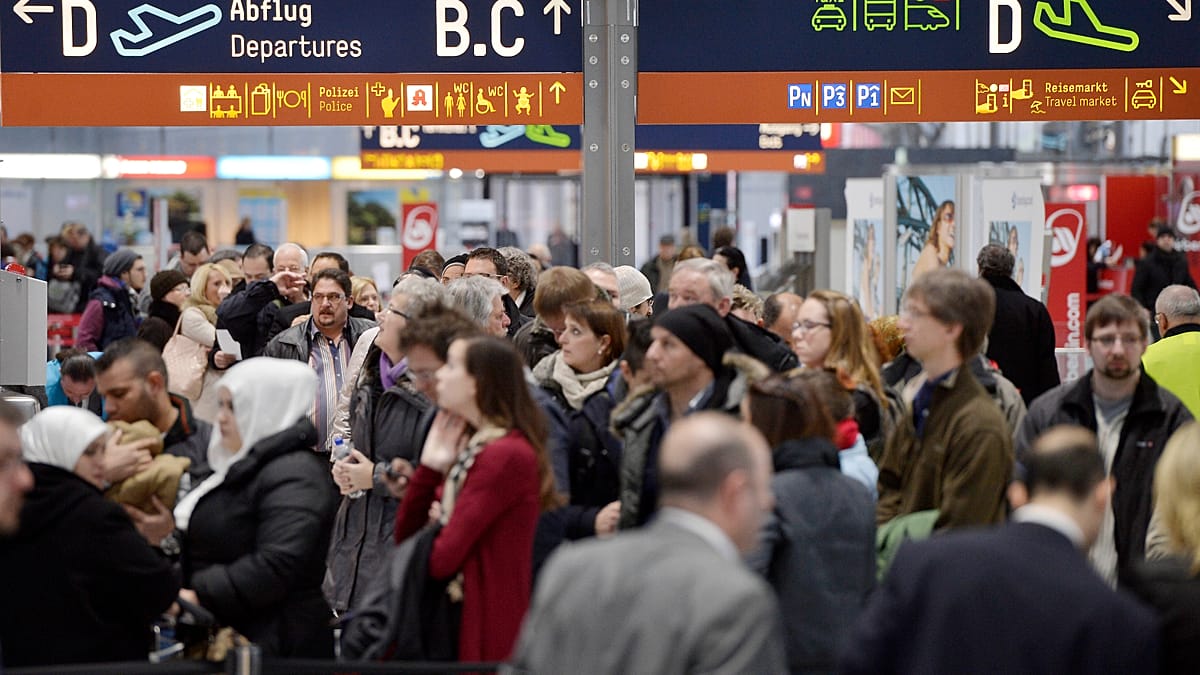
EU EES Border Check Flexibilities End, Raising Delay Concerns
European Union border checks will lose temporary flexibility for biometric data collection from 6 September, potentially increasing wait times.
The Entry/Exit System (EES) became fully operational across European borders on 10 April 2026 for non-EU travellers. Until 6 September, member states could temporarily suspend biometric data collection, such as fingerprints and facial scans, to alleviate congestion. This flexibility will expire, meaning border authorities will no longer have this option to ease processing when passport control areas become overwhelmed. Industry experts are concerned this change will lead to renewed border delays, urging travellers to allocate significantly more time for journeys involving European border controls. Data indicates EES checks already take approximately 90 seconds, up from 20-25 seconds under previous passport control methods. Reports highlight doubled wait times at major hubs like Frankfurt, Munich, and Amsterdam airports during peak periods. Organisations such as IATA and ABTA are actively advocating for an extension of these "safety valve" measures beyond the current deadline.
EntryCheck summarises the update and points to official portals. It doesn't decide whether you need a visa. Confirm on the official site.